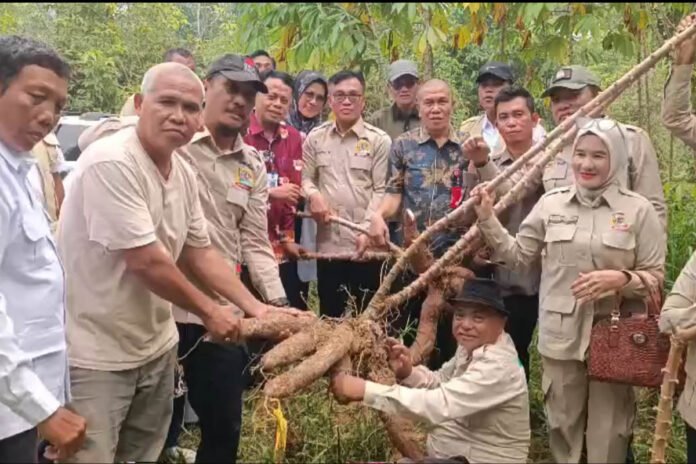
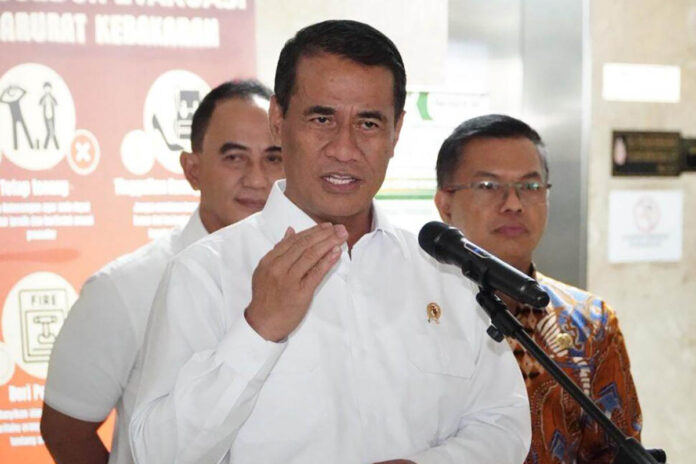
DETIKMERDEKA – Menteri Pertanian Andi Amran Sulaiman menyebutkan kebijakan Presiden Prabowo Subianto di sektor pertanian mulai berdampak pada pendapatan petani di Lampung. Salah satu perubahan adalah kenaikan harga singkong dari sekitar Rp700 menjadi Rp3.000 per kilogram setelah pemerintah menghentikan impor komoditas tersebut.
Amran mengatakan, kebijakan itu berjalan bersama langkah pemerintah menurunkan harga pupuk bersubsidi dan memperkuat harga hasil panen. Pemerintah berharap kombinasi kebijakan tersebut dapat membantu petani menekan biaya produksi sekaligus memperoleh pendapatan yang lebih baik.
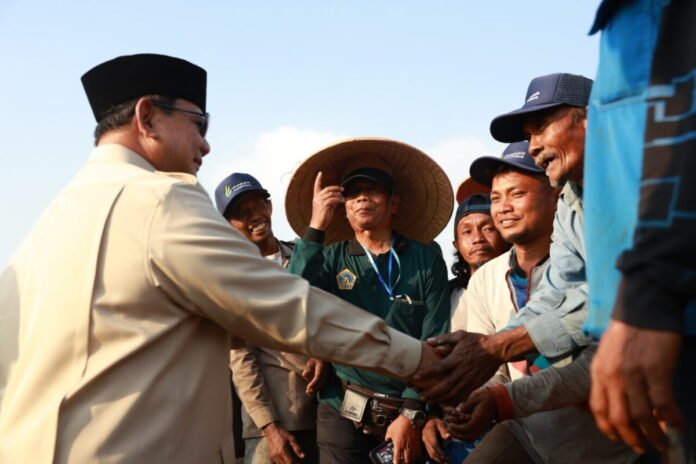
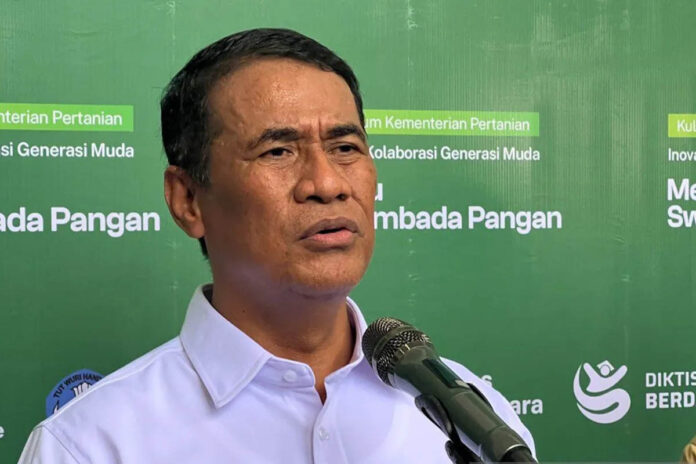
“Kebijakan Presiden Prabowo Subianto di sektor pertanian mulai menunjukkan dampak terhadap daya beli petani di Lampung,” kata Amran dalam kunjungan kerja di Pringsewu, Lampung, sebagaimana dikonfirmasi di Jakarta, pada Minggu, 25 Oktober 2026.
Menurut Amran, penguatan harga komoditas dan pengendalian biaya produksi menjadi bagian penting dari upaya meningkatkan kesejahteraan petani. Dampaknya diharapkan tidak hanya dirasakan oleh petani, tetapi juga menggerakkan ekonomi di wilayah perdesaan.
“Sebagaimana arahan Bapak Presiden, harga pupuk bersubsidi turun. Kemudian untuk singkong, kami diperintahkan menghentikan impor. Hasilnya, harga singkong yang sebelumnya sekitar Rp700 per kilogram sekarang mencapai Rp3.000 per kilogram,” ujar Amran.
Amran menilai kebijakan tersebut dapat memperkuat posisi petani dalam rantai ekonomi. Pemerintah ingin memastikan masyarakat yang memproduksi pangan dan komoditas pertanian ikut merasakan manfaat pembangunan, bukan hanya pelaku perdagangan dan industri.
Namun, kenaikan harga komoditas perlu dilihat bersama perkembangan biaya produksi dan harga kebutuhan rumah tangga petani. Perubahan harga jual yang lebih tinggi dapat meningkatkan penerimaan petani, tetapi dampaknya terhadap kesejahteraan juga bergantung pada biaya yang mereka keluarkan.
Amran juga menyebutkan perkembangan Nilai Tukar Petani (NTP), yang menurut dia telah mencapai 131,11. Ia mengatakan angka tersebut sebagai capaian tertinggi sepanjang sejarah.
NTP merupakan indikator yang membandingkan indeks harga yang diterima petani dengan indeks harga yang dibayar petani. Angka ini digunakan untuk melihat perkembangan daya beli petani melalui perbandingan penerimaan dari hasil pertanian dengan pengeluaran mereka.
“Nilai tukar petani sekarang 131, tertinggi selama Republik ini berdiri. Inilah karena kebijakan-kebijakan kita, serta kolaborasi pemerintah pusat dan daerah,” jelas Amran.
Mentan menegaskan pemerintah akan terus mendukung kebijakan dan regulasi yang dibutuhkan petani. Ia juga menekankan pentingnya kerja sama pemerintah pusat dan daerah agar persoalan di sektor pertanian dapat ditangani dengan cepat.
“Kami mendukung apa yang dibutuhkan petani. Regulasi yang diperlukan untuk kepentingan dan keuntungan petani akan kami selesaikan,” tegasnya.
Sementara itu Gubernur Lampung Rahmat Mirzani Djausal mengatakan padi, jagung, dan singkong merupakan komoditas penting bagi perekonomian daerah. Menurut dia, hampir 60 persen masyarakat Lampung berkaitan dengan ketiga komoditas tersebut.
Karena itu, perubahan harga hasil panen dan biaya produksi pertanian dapat memengaruhi pendapatan masyarakat dalam skala luas. Rahmat menilai perbaikan harga komoditas turut mendorong aktivitas ekonomi di daerah pertanian.
“Semenjak Pak Prabowo menjadi Presiden, harga pupuk murah, kemudian harga komoditas jadi ikut naik, padi naik, jagung naik, singkong naik,” ujar Rahmat.
Rahmat juga menyoroti perkembangan konsumsi masyarakat sebagai salah satu indikator aktivitas ekonomi. Ia menyebut pembelian kendaraan bermotor menjadi salah satu hal yang diamati Pemerintah Provinsi Lampung.
“Petani-petani di sini alhamdulillah mendapatkan kejadian yang sangat luar biasa. Investasi yang salah satunya adalah tingkat konsumsi. Kami melihat indikator-indikator konsumsi dari Provinsi Lampung, yang pertama itu pembelian mobil,” ungkap Rahmat.
Data Pemerintah Provinsi Lampung mencatat jumlah kendaraan bermotor baru pada semester I 2026 mencapai 83.515 unit. Angka itu naik 22,15 persen dibandingkan periode yang sama pada 2025, yakni 68.370 unit.
Kenaikan juga terjadi pada kendaraan roda dua. Jumlahnya bertambah 19,90 persen, dari 62.464 unit pada semester I 2025 menjadi 74.892 unit pada semester I 2026.
Sementara itu, jumlah kendaraan roda empat meningkat dari 5.906 unit menjadi 7.213 unit. Berdasarkan data tersebut, kenaikannya mencapai 22,15 persen secara agregat.
“Pembelian kendaraan di kabupaten-kabupaten pertanian meningkat. Kami juga melihat indikator konsumsi lain yang tumbuh. Ini menunjukkan aktivitas ekonomi di wilayah pertanian bergerak,” ujar Rahmat.
Meski demikian, peningkatan pembelian kendaraan tidak serta-merta membuktikan bahwa seluruh kenaikan berasal dari pendapatan petani atau kebijakan pertanian. Data tersebut menjadi salah satu indikator aktivitas ekonomi yang perlu dibaca bersama indikator lainnya, seperti pendapatan rumah tangga, biaya hidup, dan perkembangan sektor usaha.
Rahmat menilai perkembangan tersebut turut menggambarkan dinamika ekonomi Lampung. Ia mengaitkannya dengan kebijakan pemerintah yang menyasar sektor pertanian.
”Dan karena kebijakan-kebijakan itu, hari ini Lampung menjadi provinsi dengan pertumbuhan ekonomi nomor dua terdekat di Sumatera. Ini semua karena kebijakan untuk petani. Terima kasih,” ujar Rahmat.
Selain memperkuat harga jual hasil panen, Pemerintah Provinsi Lampung mendorong pengolahan hasil pertanian agar memiliki nilai tambah. Salah satu komoditas yang menjadi perhatian adalah singkong, yang selama ini banyak dipasarkan sebagai bahan mentah.
Pemprov Lampung mulai mendorong pengembangan produk olahan, termasuk tepung mocaf atau tepung berbahan dasar singkong yang diolah melalui proses fermentasi.
Hilirisasi diharapkan membuka peluang usaha baru di daerah penghasil singkong. Petani dan pelaku usaha tidak hanya bergantung pada penjualan bahan mentah, tetapi juga berpeluang memperoleh nilai ekonomi dari proses pengolahan.
Meski demikian, keberhasilan hilirisasi juga bergantung pada ketersediaan pasar, kapasitas produksi, serta kemampuan pelaku usaha menjaga kualitas produk. Dengan dukungan tersebut, pengolahan singkong berpotensi memperluas sumber pendapatan masyarakat di sentra pertanian Lampung.[]